IntroductionYou reach for a cigar you've been aging, excited to finally smoke it. But when you pick it up, something feels wrong—it's soft, almost spongy. When you try to light it, the draw is impossibly tight, it produces little smoke, and it refuses to stay lit. You've encountered one of the most frustrating problems in cigar storage: over-humidification. The good news? Over-humidified cigars can usually be saved. Unlike cigars dried out from under-humidification (which can suffer permanent damage), cigars with too much moisture can often be restored to perfect smoking condition with patience and the right technique. This guide will teach you how to identify over-humidified cigars, understand what caused the problem, safely dry them out, and prevent it from happening again. Whether you're dealing with a single soggy stick or an entire humidor that's been running too humid, you'll learn exactly how to recover your investment. |
How to Identify an Over-Humidified CigarBefore you can fix the problem, you need to confirm that over-humidification is actually the issue. Here are the telltale signs: Physical SignsSpongy or Soft Feel: When you gently squeeze the cigar, it feels soft and gives easily under light pressure. A properly humidified cigar has some give but springs back. An over-humidified cigar feels mushy. Swollen Appearance: The cigar looks plumper than normal. The wrapper may appear stretched or tight. In extreme cases, you might see small bumps or lumps where the filler has swelled unevenly. Wrapper Issues: The wrapper may feel damp to the touch or appear darker and shinier than normal. In severe cases, the wrapper might split or crack from the internal pressure of swollen tobacco. Visible Moisture: You might see tiny beads of moisture on the wrapper or feel dampness when you touch the cigar. This is a clear sign of excessive humidity. |
Performance SignsTight Draw: When you do a cold draw (puffing before lighting), very little air passes through. It feels like trying to sip a thick milkshake through a narrow straw. Won't Stay Lit: The cigar lights initially but constantly goes out, requiring frequent relighting. This happens because wet tobacco doesn't burn properly. Poor Smoke Production: Even when lit, the cigar produces minimal smoke. What smoke it does produce may be harsh, bitter, or acrid. Tunneling: The center of the cigar burns while the outer wrapper remains unlit, creating a tunnel effect. This happens because the outer layers are too wet to burn properly. Tar Build-Up: Excessive tar and moisture accumulate at the head of the cigar, making it unpleasant to smoke and further restricting the draw. |
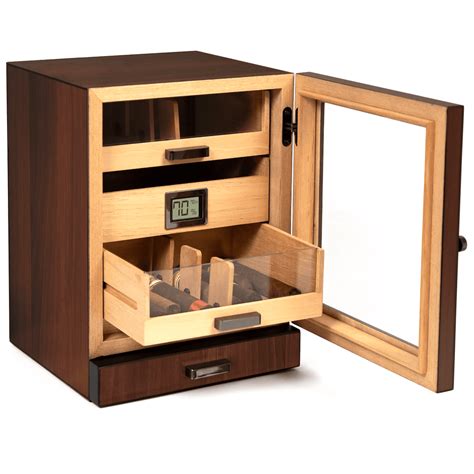
Check Your HumidorIf you suspect over-humidified cigars, check your hygrometer immediately:
|
What Causes Over-Humidification?Understanding the cause helps prevent recurrence: Too Much Humidification: Using multiple humidifiers in a small humidor, oversized humidifier for the space, or too many Boveda packs creates excess moisture. Poor Calibration: Inaccurate hygrometer shows 70% when actual humidity is 80%, leading you to think conditions are fine when they're not. Climate Factors: Living in naturally humid environments (coastal areas, tropical climates) without compensating in your humidor setup. Overfilling Humidifiers: Adding too much distilled water or solution to traditional humidifiers floods the humidor with moisture. New Cigars from Humid Storage: Purchasing cigars from a shop that stores them at high humidity and immediately placing them in your humidor without acclimation. Seasonal Changes: Summer humidity affecting your humidor if it's in an un-climate-controlled space. Lack of Air Circulation: Overcrowded humidor with cigars packed tightly together prevents moisture from evaporating and air from circulating. |
The Safe Drying Process: Step-by-StepCRITICAL: Never try to "quick dry" cigars using heat sources, fans, or by removing them from humid environments entirely. Rapid moisture loss causes wrapper cracking, structural damage, and flavor loss. Slow and steady wins this race. Step 1: Remove from High Humidity EnvironmentTake the over-humidified cigars out of your humidor immediately to stop them from absorbing more moisture. Do NOT:
Step 2: Create a Controlled Drying EnvironmentYou need a space with moderate humidity (60-65%) where cigars can slowly release excess moisture. Best Options: Option A - Cedar Tray Method: Place cigars on a Spanish cedar tray or in an empty cedar box without closing the lid. Cedar absorbs excess moisture while providing gentle, gradual drying. Leave in a room-temperature environment (68-72°F). Option B - Dry Tupperware Method: Place cigars in a clean, dry tupperware container WITHOUT any humidification. Leave the lid slightly cracked (not sealed) to allow minimal air exchange. This creates a microclimate that slowly reduces humidity. Option C - Lower Humidity Humidor: If you have a second humidor, set it up to maintain 62-65% humidity using Boveda 62% packs or minimal humidification. Transfer the over-humidified cigars here for gradual drying. Step 3: Space Them OutArrange cigars so they're not touching each other. This allows air circulation around each cigar and promotes even moisture release. Think of it like drying dishes in a rack—spacing is essential. Step 4: Monitor DailyCheck cigars once daily by gently squeezing them: Days 1-3: Cigars will still feel quite soft. Be patient. You might not notice much change. Days 4-7: Cigars should start feeling firmer. The spongy sensation decreases. Days 8-14: Cigars should feel significantly better—some spring and resistance when squeezed, but not rock hard. Day 14+: Most cigars reach optimal moisture by this point. Step 5: Test SmokeAfter 10-14 days, test smoke one of the cigars: Good Signs:
Still Too Wet Signs:
If still too wet, continue the drying process for another week and test again. Step 6: Return to Proper StorageOnce cigars feel right and smoke well:
|
How Long Does Recovery Take?Mild Over-Humidification (75-78% storage): 7-10 days Never rush this process. Patience prevents permanent damage. A cigar stored at 80% humidity for months might need 4-6 weeks of careful drying to fully recover. |
Special ConsiderationsWrapper DamageIf the wrapper has already split or cracked from swelling: Minor Splits: Small cracks may close up as the cigar dries and contracts. Continue the drying process—the cigar may still be smokeable. Major Splits: Large tears that expose filler probably won't heal. Smoke these cigars first during recovery or consider them lost. The exposed filler will dry unevenly. Peeling Wrapper: If the wrapper is separating from the binder, the cigar's structure is compromised. It may still be smokeable but will likely have burn issues. |
Premium vs. Budget CigarsPremium Cigars ($10+ each): Worth the 2-4 week recovery effort. High-quality tobacco recovers well if treated properly. Budget Cigars ($3-7 each): Still worth saving, but don't agonize if some are lost. Focus recovery efforts on your premium sticks first. Ultra-Budget Cigars (under $3): Consider whether the time investment is worth it. Sometimes cutting your losses makes sense. Cuban Cigars and Aged CigarsCuban Cigars: Often more delicate and susceptible to wrapper damage. Be extra gentle during recovery. Cubans benefit from lower storage humidity anyway (65-68%), so recovery to this range is ideal. Aged Cigars (5+ years): Handle with extreme care. Aged wrappers are more brittle and prone to cracking. Consider even slower drying (4-6 weeks) to preserve these valuable cigars. |
Never Use These "Quick Fix" Methods❌ Microwave or Oven: Heat will cook the tobacco oils, destroying all flavor and potentially causing combustion. Never, ever do this. ❌ Hair Dryer or Heat Gun: Same problem as above. Rapid heat damages tobacco irreversibly. ❌ Direct Fan or Dehumidifier: Blasting with dry air causes uneven drying. The wrapper dries too fast while the filler remains wet, leading to splitting. ❌ Freezer Method: Some suggest freezing to kill beetles, but for over-humidified cigars, freezing causes ice crystals to form in the tobacco, rupturing cell walls and destroying structure. ❌ Leaving in Open Air: Room air is typically 30-50% humidity. This is far too dry and will cause rapid moisture loss, cracking, and permanent damage. ❌ Rice Method: Some people suggest placing cigars with rice (like you would a wet phone). Rice absorbs moisture too aggressively and unevenly. Don't do it. |
Preventing Over-Humidification in the FutureOnce you've recovered your cigars, ensure it doesn't happen again: Fix Your Humidor SetupReduce Humidification: Remove excess humidifiers or Boveda packs. Follow manufacturer recommendations for humidor size. Calibrate Your Hygrometer: Use the salt test or Boveda calibration kit to ensure accurate readings. An uncalibrated hygrometer showing 70% might actually be reading 75-80%. Use Two-Way Humidity Control: Boveda packs prevent over-humidification because they absorb excess moisture. If using traditional humidifiers, don't overfill them. Check Humidor Seal: A poor seal means constantly adding humidification to compensate for leaks. This can lead to over-humidification when you finally close the lid properly or when humidity rises. Adjust for Your ClimateHumid Climates (Coastal, Tropical):
Dry Climates (Desert, Winter Heating):
Create Proper Air FlowDon't Overcrowd: Leave space between cigars for air circulation. A 50-count humidor should hold 40-45 cigars maximum for optimal performance. Rotate Stock: Open your humidor regularly (but not excessively). This exchanges air and prevents stagnant, over-humid pockets. Use Dividers: Cedar dividers create air channels and help moisture distribute evenly |
When a Cigar Can't Be SavedSometimes over-humidification causes permanent damage: Signs of Unsalvageable Cigars:
If you see mold, immediately separate affected cigars from your collection. Mold can spread to healthy cigars. Wipe down any affected areas of your humidor with distilled water before returning clean cigars. |
The Silver Lining: What You LearnDealing with over-humidified cigars, while frustrating, teaches valuable lessons: ✓ The importance of regular hygrometer checks Many experienced collectors have dealt with over-humidification at some point. It's a learning experience that makes you a better humidor manager. The key is catching it early and responding appropriately. |
Quick Reference GuideEmergency ChecklistDiscovered over-humidified cigars?
|
Recovery TimelineWeek 1: Remove from high humidity, create drying environment, monitor daily |
ConclusionOver-humidified cigars are frustrating but usually recoverable. The key principles are: Act Quickly: As soon as you notice the problem, remove cigars from the high-humidity environment Dry Slowly: Gradual moisture loss over 2-4 weeks prevents damage. Never rush with heat or fans Monitor Carefully: Daily checks ensure you don't over-dry or miss signs of improvement Fix the Cause: Adjust your humidor setup to prevent recurrence Be Patient: Full recovery takes time, but the wait preserves your investment Remember that cigars are remarkably resilient. With proper care during recovery, most over-humidified cigars will return to excellent smoking condition. The temporary inconvenience of the drying process is far better than the permanent loss of your collection. Once you've successfully recovered your cigars and corrected your humidor's humidity, you'll have gained valuable experience and knowledge. You'll be better equipped to maintain optimal storage conditions and catch any problems before they become serious. Your cigars waited patiently through months or years of growth, harvest, fermentation, rolling, and aging. They can wait a few more weeks to dry properly. Give them the time they need, and they'll reward you with the smoking experience they were meant to deliver. Over-humidified cigars can usually be saved with patience and proper technique. Act quickly, dry slowly, and prevent future problems by maintaining proper humidity levels. This guide is intended for adults of legal smoking age. |
Beginner
Beginner Guides
0 views
How to Fix an Over-Humidified Cigar: Recovery Steps and Prevention
Discovered your cigars are too wet? Over-humidified cigars feel spongy, draw tight, and refuse to stay lit—but they're not necessarily ruined. This practical guide shows you exactly how to safely dry out over-humidified cigars, restore them to proper smoking condition, and prevent the problem from happening again. Learn the step-by-step recovery process that saves your investment.
By exodus |
14 min read
October 4, 2025
(Updated: Oct 4, 2025)
(Updated: Oct 4, 2025)
Related Articles
The Complete History of Cigars: From Ancient Ritu…
Oct 04, 2025 • 26 min read
How to Cut a Cigar: Complete Guide to Cutters and…
Oct 04, 2025 • 21 min read
The Art of Lighting a Cigar: A Complete Guide to …
Oct 04, 2025 • 1 min readShare Article
Recent Articles
The Complete History of Cigars: From An…
Oct 04 • 26 min
How to Cut a Cigar: Complete Guide to C…
Oct 04 • 21 min
Best Budget Humidors Under $100: Qualit…
Oct 04 • 20 min
Boveda Packs vs Traditional Humidifiers…
Oct 04 • 15 min