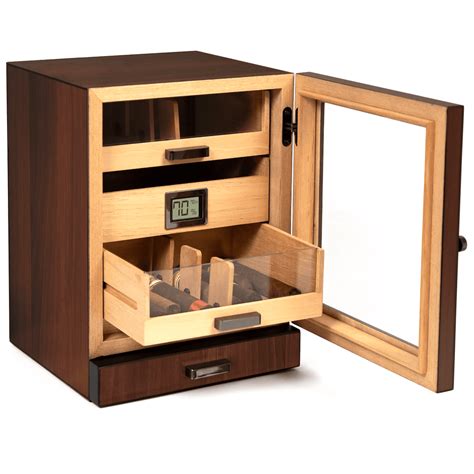
IntroductionYou've selected a premium cigar, carefully stored it in your humidor at perfect humidity, and you're ready for an exceptional smoking experience. But before you can light up, there's one crucial step: the cut. Cutting a cigar might seem simple—just snip off the end, right? In reality, how you cut your cigar dramatically affects your entire smoking experience. A proper cut ensures smooth airflow, even burning, and full flavor delivery. A poor cut can result in a tight draw, wrapper unraveling, or a harsh, unsatisfying smoke. The good news? Cutting a cigar properly is a skill anyone can master with the right knowledge and tools. This guide will teach you everything you need to know: the different types of cutters, which works best for various cigar shapes, step-by-step cutting techniques, and common mistakes to avoid. Whether you're a complete beginner holding your first cutter or an experienced smoker looking to refine your technique, you'll find valuable insights that will improve every cigar you smoke. |
Understanding Cigar Anatomy: What You're Actually CuttingBefore we discuss cutting techniques, let's understand what you're cutting and why. |
The CapThe "cap" is a small circular piece of tobacco wrapper applied to the head (closed end) of the cigar during rolling. This cap seals the cigar and keeps the wrapper from unraveling. The cap is typically made from the same wrapper leaf and is applied with natural tobacco paste. Key facts about caps:
The ShoulderThe "shoulder" is where the rounded cap meets the straight body of the cigar. This is your visual guide for where to cut. A proper cut is made just above the shoulder, removing the cap while leaving the shoulder intact. Why the Cut MattersToo Shallow: Cutting too little removes only part of the cap, creating a small opening that restricts airflow. Result: tight draw, difficulty keeping the cigar lit, harsh smoke from overheating. Too Deep: Cutting past the shoulder into the cigar body can cause the wrapper to unravel during smoking. Result: structural failure, uneven burn, frustrating experience. Perfect Cut: Removes the cap cleanly at or just above the shoulder, creating an opening that allows proper airflow while maintaining wrapper integrity. |
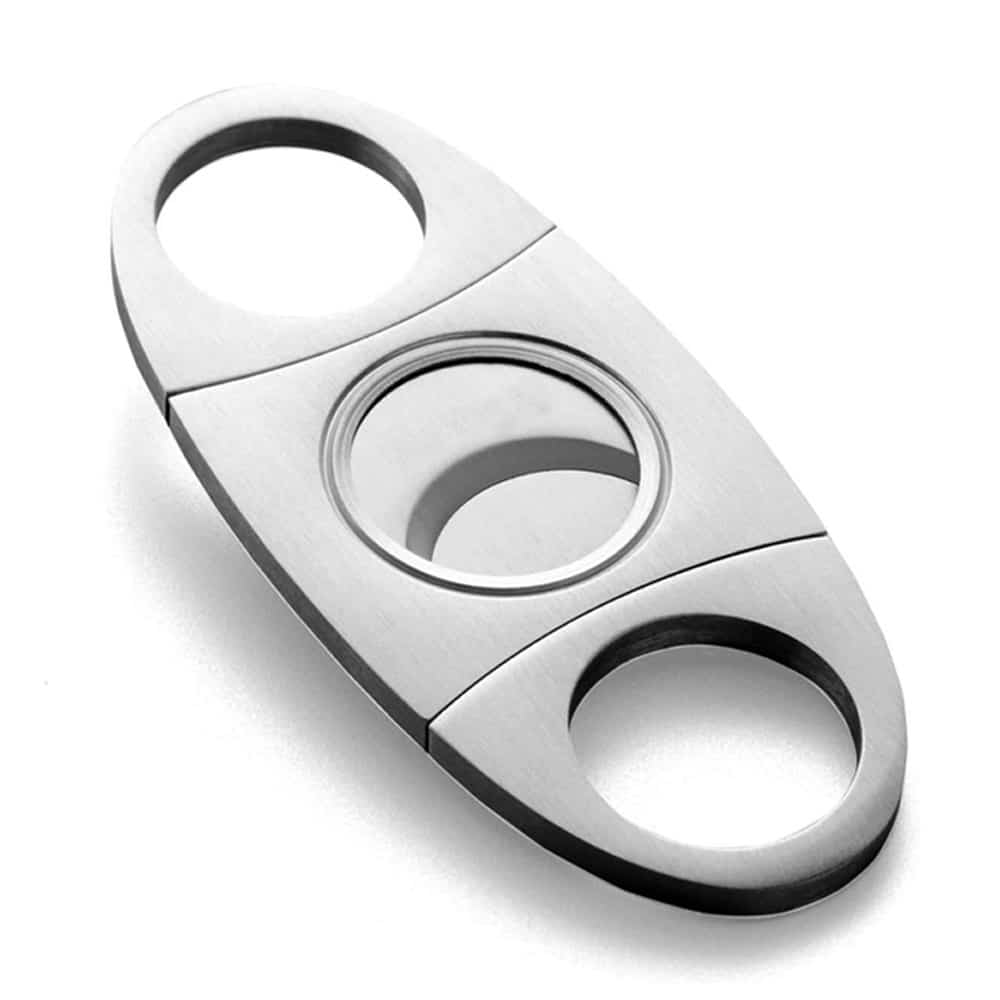
Types of Cigar CuttersEach cutter type creates a different cut style. Understanding your options helps you choose the right tool. Guillotine Cutters (Straight Cut)The most popular and versatile cutter type, guillotine cutters use one or two blades to make a straight cut across the cigar's cap. Single Blade Guillotine: One blade cuts against a stationary surface. Budget-friendly but requires more precision. Double Blade Guillotine: Two blades close simultaneously from opposite sides, creating a cleaner, more centered cut. Preferred by most enthusiasts. [PHOTO SUGGESTION: Double blade guillotine cutter in action, showing blades closing on cigar cap] Best For:
Pros:
Cons:
|
|
Price Range: $5-$200 Top Choices:
Punch CuttersPunch cutters create a small circular hole in the center of the cap rather than removing it entirely. How they work: A circular blade is pushed into the cap, removing a plug of tobacco and creating a small hole (typically 7mm to 9mm diameter). Best For:
Pros:
Cons:
|
|
Price Range: $5-$40 Pro Tip: For large cigars, some smokers make multiple punch holes to increase airflow. V-Cut (Cat's Eye Cut)V-cutters create a wedge-shaped notch in the cap, offering a middle ground between straight cuts and punches. How they work: A V-shaped blade is pushed into the cap, creating a wedge that provides good airflow while maintaining the cap's structural integrity. Best For:
Pros:
Cons:
|
|
Price Range: $15-$80 Top Choices:
Cigar ScissorsTraditional and elegant, cigar scissors offer precision cutting with a classic aesthetic. How they work: Two curved blades operated like scissors to snip the cap cleanly. Best For:
Pros:
Cons:
|
|
Price Range: $20-$150+ Wedge CuttersA less common variation that creates a wedge-shaped opening similar to V-cuts but with a different mechanism. Best For: Specialty use, collectors Note: We'll focus on the four main cutter types (guillotine, punch, V-cut, scissors) as they cover 95% of cigar cutting needs. |
Step-by-Step: How to Cut Different Cigar ShapesCutting Parejo Cigars (Straight-Sided)Parejo cigars include Corona, Robusto, Churchill, Toro, and other straight-sided shapes. These are the most common and straightforward to cut. Using a Guillotine Cutter: Step 1 - Inspect the Cap: Look at the cigar's head and identify where the cap ends and the shoulder begins. The cap typically covers the top 1/8 to 1/4 inch. Step 2 - Position the Cutter: Place the cigar in the cutter opening. Position the blade just above the shoulder line—you want to remove the cap while leaving the shoulder intact. Step 3 - Steady Your Hands: Hold the cigar firmly but not so tight that you compress it. Keep the cutter perpendicular to the cigar for an even cut. Step 4 - Make the Cut: With one smooth, decisive motion, close the cutter blades completely. Don't hesitate or saw back and forth—one clean cut is best. Step 5 - Inspect the Cut: The cut should be clean and even, removing the cap and exposing the filler tobacco. You should see a circular opening with the wrapper intact around the edges. Using a Punch Cutter: Step 1 - Center the Punch: Position the punch cutter in the center of the cap. Step 2 - Push and Twist: Press the punch straight into the cap while giving it a slight twisting motion. Push until you feel the punch bottom out or penetrate about 1/4 inch. Step 3 - Remove: Pull the punch straight out. A small plug of tobacco should come with it or fall away. Step 4 - Check Depth: Look into the hole—you should see clean filler tobacco, not wrapper on the interior walls (which would indicate you didn't go deep enough). Using a V-Cutter: Step 1 - Position: Place the cigar head into the V-cutter opening until it rests against the backstop. Step 2 - Press: Push the V-blade into the cap with steady, firm pressure until it bottoms out. Step 3 - Remove and Inspect: Pull the cigar out and check that the V-notch is clean and centered. Cutting Torpedo/Pyramid Cigars (Pointed Head)Torpedoes, Pyramids, and Belicosos have tapered, pointed heads that require different technique. Best Cutter Choices: Guillotine or Punch (V-cut works but requires care) Using a Guillotine: Step 1 - Find the Sweet Spot: Unlike parejos, torpedoes don't have an obvious shoulder. Look for where the taper ends and the wrapper begins to straighten. Step 2 - Cut Conservatively: Start with a shallow cut—you can always cut more, but you can't put tobacco back. Cut about 1/8 inch from the very tip. Step 3 - Test the Draw: Do a cold draw (pull air through without lighting). If it's too tight, make a slightly deeper cut. Step 4 - Adjust as Needed: Many smokers make 2-3 progressively deeper cuts on torpedoes to find the perfect draw. Using a Punch: Punches work excellently on torpedoes because the pointed shape naturally centers the punch. Step 1 - Center on Point: The tip guides the punch naturally to center. Step 2 - Punch Deeper: Because of the taper, you may need to push the punch slightly deeper than on parejos. Step 3 - Multiple Punches: For larger torpedoes, consider 2-3 punch holes for better airflow. Pro Tip: Start shallow on torpedoes. It's better to have a slightly tight draw initially than to remove too much and risk wrapper unraveling. Cutting Perfecto Cigars (Double Taper)Perfectos taper at both ends. You'll smoke the larger, more tapered end. Technique: Same as torpedoes—cut conservatively at first, test draw, adjust if needed. Special Note: Some perfectos have very pronounced tips that can be cut more aggressively, while others are subtle and require careful, shallow cuts. Cutting Figurado Cigars (Unusual Shapes)Figurados include Culebras, Diademas, and other specialty shapes. Each requires individual assessment. General Rule: Start conservatively. You can always cut more. Study the shape and identify the smoking end (usually the more tapered end). Apply torpedo cutting principles. |
Common Cutting Mistakes and How to Avoid ThemMistake #1: Cutting Too DeepThe Problem: Cutting past the shoulder into the cigar body compromises wrapper integrity. The wrapper will begin to unravel during smoking, potentially ruining the cigar. How to Avoid:
If It Happens: If you cut too deep and wrapper starts unraveling, you can sometimes save the cigar by applying a tiny bit of cigar glue or even vegetable gum to secure the wrapper. It's not ideal, but it's better than tossing the cigar. Mistake #2: Cutting Too ShallowThe Problem: Removing only part of the cap creates a small opening that restricts airflow, making the draw too tight. How to Avoid:
If It Happens: Simply make another cut slightly deeper. Most cigars can handle 2-3 cuts if you're adjusting for draw. Mistake #3: Using a Dull CutterThe Problem: Dull blades crush tobacco fibers rather than cutting them cleanly. This damages the wrapper, creates an uneven opening, and can cause wrapper unraveling. How to Avoid:
Signs Your Cutter is Dull:
Mistake #4: Hesitating During the CutThe Problem: Slow, tentative cutting or sawing back and forth creates ragged, uneven edges and can crack the wrapper. How to Avoid:
Practice Tip: If you're nervous, practice on less expensive cigars before cutting your premium smokes. Mistake #5: Angled or Uneven CutsThe Problem: Cutting at an angle rather than perpendicular creates an uneven opening, affecting draw and appearance. How to Avoid:
Pro Tip: Double-blade guillotines naturally create more even cuts because blades close from both sides simultaneously. Mistake #6: Cutting Dry or Over-Humidified CigarsThe Problem:
How to Avoid:
|
Advanced Cutting Techniques and TipsThe Progressive Cut (For Torpedoes)Rather than trying to get the perfect cut on the first try, make multiple shallow cuts:
This technique ensures you never cut too deep and gives you perfect control. The Double Punch TechniqueFor medium to large ring gauge cigars, create two punch holes side by side. This provides excellent airflow while maintaining cap structure and reducing tar on lips. The Modified V-CutAfter making a V-cut, some smokers also make a small punch in the center of the V for even better airflow. This hybrid technique works excellently on large torpedoes. Temperature ConsiderationsCold Cigars: Cigars that are cold (below 60°F) have more brittle wrappers. Let them warm to room temperature before cutting. Fresh from Humidor: Cigars at proper humidity (68-70%) cut best. They're pliable but not wet, firm but not brittle. The Professional TouchWatch how tobacconists cut cigars at cigar lounges:
Emulate this professional approach for best results. |
Choosing the Right Cutter for YouWith so many options, which cutter should you buy? For BeginnersRecommendation: Double-blade guillotine cutter ($20-$40) Why: Versatile, works on all cigar shapes, creates clean cuts with proper technique, widely available, good value Specific Pick: Xikar Xi2 or Palio Double Blade For Those Who Smoke Primarily ParejosRecommendation: High-quality guillotine or scissors ($30-$60) Why: Straight-sided cigars are easiest to cut, allowing you to invest in excellent quality For Torpedo EnthusiastsRecommendation: Punch cutter + guillotine ($30-$50 for both) Why: Punches excel on torpedoes, but having a guillotine as backup gives you options Specific Pick: Xikar MTX Multi-Tool (includes punch, cutter, and more) For the TraditionalistRecommendation: Premium cigar scissors ($50-$100) Why: Beautiful, precise, ritualistic, makes a statement Specific Pick: Fess Cigar Scissors or Zwilling J.A. Henckels For Travel and Everyday CarryRecommendation: Compact punch cutter ($10-$20) Why: Fits on keychain, TSA-friendly, foolproof operation |
The Complete CollectionMany experienced smokers own multiple cutters:
Total Investment: $75-$150 for all four = complete cutting versatility |
Maintaining Your Cigar CuttersQuality cutters last decades with proper care. Regular CleaningAfter Each Use: Wipe blades with a dry cloth to remove tobacco debris Weekly (for frequent use):
Monthly: Apply a tiny drop of mineral oil to pivot points (not cutting edges) Blade SharpnessHigh-quality stainless steel cutters (Xikar, Colibri, Palio): Should stay sharp for years with normal use Budget cutters: May dull within months to a year Sharpening: Most cigar cutters can't be effectively sharpened at home. When they dull, replace them. However, Xikar offers lifetime warranty and free sharpening/replacement. Storage
|
Special Situations and SolutionsCigars with Damaged CapsIf you receive a cigar with a damaged or partially unraveled cap:
Frozen or Very Cold CigarsNever cut a frozen or very cold cigar. The wrapper will shatter. Let it warm to room temperature (60-70°F) first, which takes about 30-60 minutes. Over-Humidified CigarsIf your cigar feels spongy from over-humidification, cutting can be challenging as the tobacco compresses rather than cuts. Solution: Let the cigar dry for a few days in a 60-65% humidity environment before attempting to cut. Large Ring Gauge Cigars (60+)Very large cigars require:
|
The Bottom Line: Perfect Cuts for Perfect SmokesCutting a cigar properly is a skill that becomes second nature with practice. The fundamentals are simple: ✓ Use a sharp, quality cutter appropriate for the cigar shape Remember that even experienced smokers occasionally make imperfect cuts. The key is understanding what went wrong and adjusting. With the knowledge from this guide, you're equipped to cut any cigar shape with confidence. Your cigar has traveled from seed to soil, through harvest, fermentation, rolling, and careful aging. It's been stored in your humidor at perfect humidity. Don't let a poor cut ruin all that care and craftsmanship. Take your time, use the right tool, and give your cigar the clean, precise cut it deserves. Once you've mastered the cut, you're ready for the next crucial step: lighting your cigar properly to unlock its full flavor potential. A proper cut is the foundation of a great smoking experience. Choose quality cutters, practice good technique, and every cigar will reward you with perfect draw and flavor. This guide is intended for adults of legal smoking age. |
Beginner
Beginner Guides
0 views
How to Cut a Cigar: Complete Guide to Cutters and Techniques
Cutting a cigar properly is the critical first step to an enjoyable smoking experience. A good cut creates perfect airflow, while a bad cut ruins even the finest cigar. This comprehensive guide covers every type of cigar cutter, step-by-step cutting techniques for different cigar shapes, common mistakes to avoid, and expert tips for achieving the perfect cut every time.
By exodus |
21 min read
October 4, 2025
(Updated: Oct 4, 2025)
(Updated: Oct 4, 2025)
Related Articles
The Complete History of Cigars: From Ancient Ritu…
Oct 04, 2025 • 26 min read
How to Fix an Over-Humidified Cigar: Recovery Ste…
Oct 04, 2025 • 14 min read
The Art of Lighting a Cigar: A Complete Guide to …
Oct 04, 2025 • 1 min readShare Article
Recent Articles
The Complete History of Cigars: From An…
Oct 04 • 26 min
Best Budget Humidors Under $100: Qualit…
Oct 04 • 20 min
How to Fix an Over-Humidified Cigar: Re…
Oct 04 • 14 min
Boveda Packs vs Traditional Humidifiers…
Oct 04 • 15 min