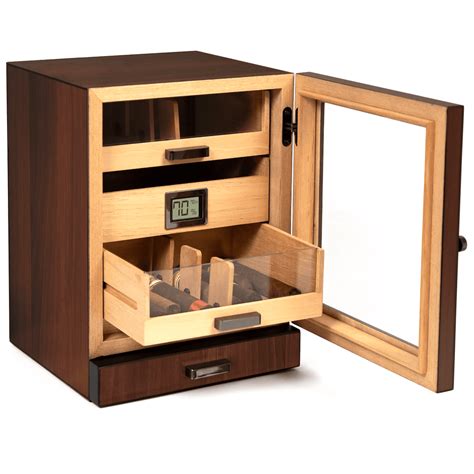
IntroductionThe cigar represents more than rolled tobacco leaves—it embodies centuries of cultural evolution, political intrigue, agricultural mastery, and human craftsmanship. From the sacred smoke ceremonies of pre-Columbian civilizations to the humidors of modern aficionados, the cigar has witnessed empires rise and fall, sparked revolutions, influenced economies, and created legacies that endure today. This is not merely a story of tobacco. It is a tale of indigenous wisdom meeting European ambition, of Caribbean soil producing legendary harvests, of master craftsmen preserving centuries-old techniques, and of a product that has captivated emperors, revolutionaries, artists, and entrepreneurs across the globe. Join us on this comprehensive journey through cigar history—a saga spanning over 1,000 years that explains how rolled tobacco leaves became symbols of celebration, contemplation, and luxury. |
Part I: Ancient Origins (600 CE - 1492)The First Smokers: Indigenous Peoples of the AmericasLong before Christopher Columbus set foot in the New World, tobacco was sacred to the indigenous peoples of the Americas. The Mayans (600 CE - 1000 CE) Archaeological evidence suggests the Mayan civilization was among the first to cultivate and smoke tobacco. Ancient Mayan pottery from Guatemala and Mexico, dating to around 600 CE, depicts people smoking rolled tobacco leaves—primitive cigars. For the Mayans, tobacco smoking was far from recreational. It held profound spiritual significance:
The Mayan word "sikar" (meaning "to smoke rolled tobacco leaves") may be the etymological ancestor of our modern word "cigar." The Taíno People of the Caribbean (1000 CE - 1492) When Columbus arrived in the Caribbean, the Taíno people of Cuba, Hispaniola, and surrounding islands had been cultivating tobacco for centuries. They called the plant "cohiba"—a word that would later grace one of the world's most famous cigar brands. The Taíno developed sophisticated tobacco cultivation and preparation methods:
Their smoking rituals combined spirituality with social bonding. Village chiefs and shamans smoked during important decisions and celebrations. Other Indigenous Tobacco Cultures
By 1492, when two worlds collided, tobacco culture was deeply embedded in indigenous American life—but it was about to change forever. |
Part II: European Discovery and the Tobacco Revolution (1492 - 1600s)Columbus and the "New World" Encounter (1492)On October 12, 1492, Christopher Columbus landed in the Bahamas, seeking gold and spices. Instead, he encountered something that would ultimately prove far more valuable: tobacco. The First European Account Columbus's journal entries document the historic moment: "The natives brought fruit, wooden spears, and certain dried leaves which gave off a distinct fragrance." Initially, Columbus and his crew dismissed these "dried leaves" as worthless. But crew members Rodrigo de Jerez and Luis de Torres, exploring Cuba, witnessed Taíno people smoking rolled tobacco. Curious, they tried it themselves. The First European Smokers Rodrigo de Jerez became Europe's first documented cigar smoker. Upon returning to Spain, he brought tobacco and continued smoking publicly. The Spanish Inquisition, seeing smoke emerge from his mouth and nose, imprisoned him for seven years on suspicion of demonic possession. By the time Jerez was released, tobacco smoking had spread across Spain—his "demonic" habit had become fashionable. Tobacco Spreads Through Europe (1500s - 1600s)Spain's Tobacco Monopoly (1500s) Spain recognized tobacco's economic potential and established the first tobacco monopoly. Spanish explorers brought seeds back from the Americas and attempted cultivation in Europe, but the climate proved unsuitable for premium tobacco. The Spanish Crown maintained strict control over New World tobacco production:
Jean Nicot and Medicinal Tobacco (1560) French ambassador to Portugal, Jean Nicot, received tobacco plants as a gift in 1560. He sent seeds to the French court, promoting tobacco as a miracle medicine that could cure headaches, toothaches, and various ailments. Queen Catherine de Medici became an enthusiast, using powdered tobacco (snuff) for her migraines. Tobacco became known as "the queen's herb," and its popularity soared among European aristocracy. Nicot's name lives on in "nicotine," the plant's active compound. Tobacco Reaches England and Beyond (late 1500s) Sir Walter Raleigh introduced tobacco to England in the 1580s, glamorizing smoking at Queen Elizabeth I's court. From England, tobacco spread to:
By 1600, tobacco had circled the globe—just over a century after Columbus's discovery. Early Opposition and ControversyNot everyone embraced tobacco enthusiastically. King James I of England published "A Counterblaste to Tobacco" in 1604, calling smoking: "A custom loathsome to the eye, hateful to the nose, harmful to the brain, dangerous to the lungs..." Despite royal opposition, he couldn't stop tobacco's spread. Eventually, governments realized taxation generated more revenue than prohibition—a pattern that continues today. |
Part III: The Birth of the Cigar Industry (1600s - 1800s)Cuba Emerges as the Cigar Capital (1600s - 1700s)While tobacco spread globally, Cuba developed unique advantages: Perfect Growing Conditions:
Spanish Colonial Development:
The Vuelta Abajo Region By the 1700s, the Vuelta Abajo region in western Cuba (Pinar del Río province) was producing the world's finest tobacco. The unique microclimate and soil composition created tobacco with unmatched flavor, aroma, and combustibility. This region remains the gold standard for premium cigar tobacco today. The First Cigar Factories (Late 1700s)Prior to the late 1700s, cigars were hand-rolled individually by farmers or in small workshops. The industrial revolution brought change. Sevilla, Spain (1731) The Royal Tobacco Factory in Sevilla, established in 1731, became Europe's first large-scale cigar manufacturing facility. Hundreds of workers, primarily women called "cigarreras," hand-rolled cigars from Cuban tobacco. This factory later inspired Bizet's opera "Carmen," set among Sevilla's cigarreras. Cuban Factories Emerge (1790s) As Cuba's tobacco industry matured, local factories emerged in Havana. These combined Cuban tobacco with Cuban craftsmanship, creating the first true "Habanos" (Havana cigars). Production Methods:
The Cigar Becomes a Luxury Item (1800s)By the early 1800s, cigars had evolved from indigenous ritual objects to luxury goods for European and American elite. Napoleon's Influence Napoleon Bonaparte's campaigns spread cigar culture across Europe. French soldiers encountered cigars in Spain and brought the habit home. Napoleon himself was rarely photographed without a cigar. British Aristocracy British gentlemen's clubs made cigar smoking a masculine ritual. Proper etiquette developed:
American Adoption In the newly independent United States, cigars symbolized sophistication and success. American tobacco cultivation expanded, particularly in Connecticut and Pennsylvania, though Cuban tobacco remained supreme. |
Part IV: The Golden Age of Cuban Cigars (1800s - 1959)Cuban Independence and Cigar Innovation (1800s)Spanish Monopoly Ends Throughout the 1800s, Cuban tobacco growers chafed under Spanish monopoly control. The Spanish Crown dictated prices, controlled distribution, and taxed heavily. Cuban independence movements (1868-1898) were partially funded by wealthy tobacco plantation owners who sought economic freedom alongside political liberty. The Ten Years' War (1868-1878) and later the Cuban War of Independence (1895-1898) disrupted tobacco production but ultimately led to:
Legendary Brands Are Born (1800s - early 1900s)The late 1800s and early 1900s saw the creation of brands that define premium cigars today: H. Upmann (1844): German banker Hermann Upmann established his brand, combining European capital with Cuban craftsmanship. Partagás (1845): Jaime Partagás founded his factory in Havana, creating full-bodied cigars that remain legendary. Romeo y Julieta (1875): Inocencio Alvarez and Manin García created this romantic brand, later popularized globally. Montecristo (1935): Named after the Alexandre Dumas novel "The Count of Monte Cristo," which was read aloud to cigar rollers during work. Cohiba (1966): Though created later, Cohiba revived the ancient Taíno word for tobacco, becoming Fidel Castro's personal brand. These weren't merely products—they were Cuban cultural institutions, employing thousands and generating enormous wealth. The Lector Tradition Cuban factories developed the unique tradition of "el lector" (the reader). While workers rolled cigars, a designated reader sat elevated, reading newspapers, novels, and political texts aloud. This tradition educated workers and made tedious work intellectually stimulating. The practice continues in some traditional factories today. American Cigar Industry Develops (Late 1800s - Early 1900s)While Cuba dominated premium cigars, America developed its own industry: Tampa, Florida: Cigar City USA Vicente Martinez Ybor established Ybor City (Tampa) in 1885 as a cigar manufacturing center. Cuban cigar makers, fleeing political turmoil, relocated to Tampa, bringing their expertise. At its peak (1920s):
Connecticut Valley Connecticut's Shade Tobacco became prized for premium wrappers. Grown under cheesecloth tents to filter sunlight, Connecticut Shade created silky, light-colored wrappers used on premium cigars worldwide. Other American Production
Machine-Made Revolution The early 1900s saw invention of cigar-making machines. While hand-rolled cigars remained premium, machines enabled mass production of affordable cigars, democratizing cigar smoking. The Roaring Twenties and Prohibition Era (1920s - 1933)Cigar culture flourished during the 1920s: Speakeasies and Cigars: Illegal bars paired bootleg liquor with premium cigars Hollywood Glamour: Film stars smoked on screen, glamorizing cigars Business Success Symbol: The cigar became synonymous with American capitalism and success Ironically, while alcohol was illegal, cigars remained legal and thrived. Cigar lounges became legitimate social venues during Prohibition. World War II and Post-War Boom (1940s - 1950s)WWII Impact World War II disrupted global cigar trade but increased domestic American consumption. Soldiers received cigars in ration kits, spreading the habit. Cuban Golden Age (1940s - 1950s) Post-war Cuba experienced its cigar golden age:
This golden age was about to end abruptly. |
Part V: Revolution, Embargo, and Transformation (1959 - 1990s)The Cuban Revolution (1959)On January 1, 1959, Fidel Castro's revolutionary forces overthrew President Fulgencio Batista, fundamentally altering Cuba—and the cigar world—forever. Nationalization of the Cigar Industry Within months, Castro's government:
Legendary cigar families fled Cuba:
The US Embargo (1962 - Present)Kennedy's Last Purchase On February 7, 1962, President John F. Kennedy directed his press secretary Pierre Salinger to acquire as many H. Upmann Petit Coronas as possible. Salinger returned with 1,200 cigars. The next day, February 8, 1962, Kennedy signed the executive order establishing the Cuban trade embargo, making Cuban cigars illegal in the United States. Impact of the Embargo: On Cuba:
On the Cigar Industry:
On American Smokers:
The embargo continues today (2025), now 63 years old—making it one of the longest trade embargos in modern history. The Non-Cuban Cigar Renaissance (1960s - 1980s)Necessity mothered invention. Without access to Cuban cigars, the industry innovated. Dominican Republic Rises Cuban exiles, particularly the Quesada, León, and Fuente families, established factories in the Dominican Republic: Arturo Fuente: Carlos Fuente Sr. established operations in 1980, eventually creating the legendary Fuente Fuente OpusX—the first successful Dominican puro (all Dominican tobacco). Davidoff: Swiss luxury brand Davidoff, severing ties with Cuba in 1990 over quality disputes, relocated production to Dominican Republic, proving non-Cuban cigars could achieve ultra-premium status. Honduras Develops Rocky Patel, Camacho, and other manufacturers established Honduran operations. Honduran tobacco, particularly from the Jamastran Valley, developed reputation for bold flavors. Nicaragua's Potential Though political instability limited development initially, Nicaragua's volcanic soil proved ideal for tobacco. This would become crucial in the 1990s. Ecuador and Connecticut Shade Ecuadorian Connecticut Shade (grown in Ecuador from Connecticut seeds) emerged as a premier wrapper tobacco, rivaling Connecticut Valley production. Innovation and Blending Without restriction to Cuban tobacco, blenders experimented:
Quality Evolution (1970s - 1980s)Cuban Quality Struggles (1960s - 1970s) Cuban cigar quality suffered post-revolution:
Cuban Recovery (1980s) By the 1980s, Cuba rebuilt quality:
Non-Cuban Quality Rises (1980s) Dominican, Honduran, and other manufacturers achieved premium quality:
The gap between Cuban and non-Cuban premium cigars narrowed significantly. |
Part VI: The Cigar Boom (1990s)The Perfect StormThe 1990s witnessed an unprecedented cigar renaissance driven by multiple factors: Cultural Factors:
Economic Factors:
Regulatory Factors:
Market ExplosionDemand Outstrips Supply Premium cigar sales exploded:
Consequences:
Cuban Cigars and the Boom Despite the embargo, Cuban cigars benefited indirectly:
The Bubble Bursts (Late 1990s - Early 2000s)Market Correction (1998-2001) By 1998, the bubble began deflating:
Industry Maturation The boom's aftermath brought positive changes:
|
Part VII: Modern Era (2000s - Present)Boutique Cigar Movement (2000s - 2010s)Small Batch Revolution The 2000s saw small, artisanal cigar makers emerge: Steve Saka (Liga Privada): Former Drew Estate executive created ultra-premium small-batch cigars Pete Johnson (Tatuaje): Collaborated with My Father Cigars to create boutique Nicaraguan cigars Willy Herrera, Ernesto Perez-Carrillo Jr., and others: Master blenders became brands themselves Characteristics:
Nicaraguan Ascendance (2000s - Present)Nicaragua emerged as premium tobacco powerhouse: Why Nicaragua Succeeded:
Major Players:
Nicaraguan tobacco gained reputation for:
By 2010s, Nicaragua challenged Dominican Republic as the premier non-Cuban cigar source. Regulatory Challenges (2010s - Present)FDA Regulation (2016) The FDA gained authority over cigars in 2016:
Global Regulatory Trends:
Despite challenges, premium cigar market remained stable, supported by dedicated enthusiasts. Cuban Cigars in the Modern EraObama Thaw (2014-2016) President Obama relaxed restrictions:
Trump Reversal (2017-2020) Trump administration reversed Obama policies:
Biden Era (2021-Present) Some restrictions eased but embargo fundamentally remains:
Cuban Cigar Quality Today:
Technology and Innovation (2010s - Present)Modern Tobacco Processing:
Distribution Evolution:
Aging and Storage:
Cultural Evolution (2010s - Present)Democratization of Premium Cigars:
Diversity in Cigar Culture:
Cigar Lounges as Social Spaces:
Celebrity and Influencer Culture:
Current Market Landscape (2020s)Premium Segment Thrives:
Regional Production:
Consumer Trends:
|
Part VIII: The Future of CigarsChallenges AheadRegulatory Pressure:
Demographic Shifts:
Economic Factors:
Opportunities and HopeQuality Revolution:
Global Market:
Cultural Resilience:
Innovation:
The Cuban Question:
|
Conclusion: A Living HistoryThe cigar's journey from Mayan ceremony to modern luxury spans over 1,000 years, yet the fundamental product remains remarkably unchanged. Despite revolutions, embargos, regulatory assaults, and cultural shifts, the cigar endures. Why? Because at its core, the cigar represents something timeless: Craftsmanship: Each premium cigar is hand-rolled by skilled artisans, preserving techniques passed through generations Agriculture: The finest cigars still come from soil, sun, and rain—elements no technology can replace Ritual: Cutting, lighting, and smoking a cigar creates a meditative pause in our frantic modern world Community: Cigar lounges remain spaces where strangers become friends over shared appreciation Heritage: Every cigar connects us to centuries of tradition, culture, and history From the sacred smoke of Mayan priests to the Havana factories of the 1950s, from the boutique blenders of Nicaragua to the temperature-controlled humidors of modern enthusiasts, the cigar tells humanity's story—of conquest and revolution, exile and innovation, tradition and evolution. As long as tobacco grows in rich soil under tropical sun, as long as skilled hands roll leaves with generations of knowledge, as long as people seek moments of contemplation and celebration, the cigar will endure. The next chapter of this remarkable history is being written now—by the farmers tending plants in Nicaraguan valleys, by the master blenders creating tomorrow's legendary cigars, by the torcedores whose hands move with practiced precision, and by every enthusiast who lights a cigar and becomes part of this living history. The cigar's history is humanity's history—a story of culture, craft, and enduring tradition. From ancient ritual to modern luxury, the cigar remains a testament to human appreciation for quality, patience, and the finer things in life. This guide is intended for adults of legal smoking age. |
Beginner
Beginner Guides
0 views
The Complete History of Cigars: From Ancient Rituals to Modern Luxury
The cigar's journey spans over a thousand years, from sacred Mayan ceremonies to Spanish conquistadors, from Cuban tobacco fields to global luxury markets. This comprehensive historical exploration traces tobacco's transformation from indigenous spiritual practice to one of the world's most celebrated indulgences, examining the cultural revolutions, political upheavals, and passionate artisans who shaped the cigar into the premium product we know today.
By exodus |
26 min read
October 4, 2025
(Updated: Oct 4, 2025)
(Updated: Oct 4, 2025)
Related Articles

How to Cut a Cigar: Complete Guide to Cutters and…
Oct 04, 2025 • 21 min read
How to Fix an Over-Humidified Cigar: Recovery Ste…
Oct 04, 2025 • 14 min read
The Art of Lighting a Cigar: A Complete Guide to …
Oct 04, 2025 • 1 min readShare Article
Recent Articles
How to Cut a Cigar: Complete Guide to C…
Oct 04 • 21 min
Best Budget Humidors Under $100: Qualit…
Oct 04 • 20 min
How to Fix an Over-Humidified Cigar: Re…
Oct 04 • 14 min
Boveda Packs vs Traditional Humidifiers…
Oct 04 • 15 min